Rise to Power of both Donald Trump and Adolf Hitler
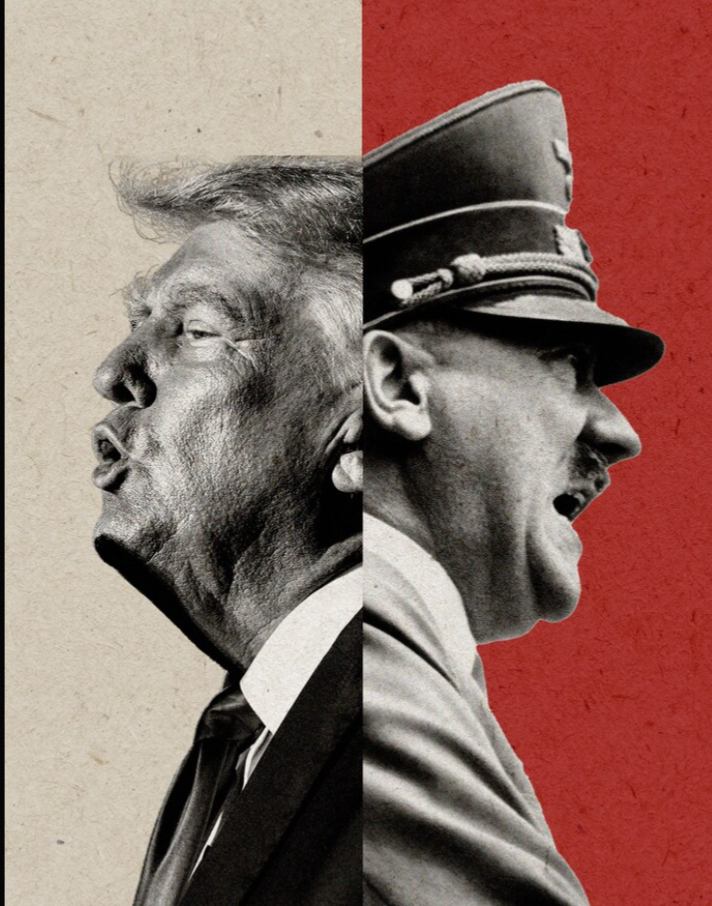
Analyzing the rise to power of both Donald Trump and Adolf Hitler reveals several notable similarities in their paths to leadership, despite the distinct historical and cultural contexts.
TL;DR
Trump and Hitler both used strong speeches to gain public support. Both rose to power during times of economic and social trouble. Both used populist and nationalist messages to attract followers. Both used media in new ways to spread their message. Critics say both leaders challenged democratic norms, but their actions and results differ greatly in scale and outcome.
Analyzing the rise to power of both Donald Trump and Adolf Hitler reveals several notable similarities in their paths to leadership, despite the distinct historical and cultural contexts.
Charismatic Leadership and Oratory Skills
Both Trump and Hitler utilized their compelling oratory abilities to galvanize public support. Hitler's speeches were instrumental in promoting his ideology and uniting followers under the Nazi banner. Similarly, Trump's rallies and public addresses energized his base, leveraging his media savvy to maintain a strong connection with supporters.
Exploiting Economic and Social Discontent
Economic instability and societal unrest served as backdrops for both leaders' ascensions. Hitler capitalized on Germany's economic woes during the Weimar Republic, attributing the nation's hardships to scapegoats and promising revitalization. Trump's rise occurred amid economic anxieties and cultural divisions in the United States, which he addressed by pledging to restore prosperity and challenge the established political order.
Populist Appeals and Nationalism
Both leaders employed populist rhetoric, positioning themselves as champions of the common people against perceived corrupt elites. Hitler's brand of nationalism emphasized Aryan supremacy and the revival of German pride. Trump's "America First" agenda focused on national sovereignty, economic protectionism, and a return to traditional values.
Utilization of Media and Propaganda
Effective use of media was central to their strategies. The Nazi regime mastered propaganda through emerging technologies like radio and film to disseminate their message widely. Trump harnessed the power of social media platforms, particularly Twitter, to communicate directly with the public, bypassing traditional media channels and shaping public discourse.
Undermining Democratic Norms
Both figures exhibited tendencies to challenge or undermine democratic institutions. Hitler's ascent involved the systematic dismantling of Germany's democratic structures, culminating in a totalitarian regime. Critics have noted that Trump's actions, such as disputing election results and challenging the legitimacy of the press, posed challenges to democratic norms, though the extent and impact differ significantly from Hitler's actions.
While these parallels exist, it's crucial to approach such comparisons with caution, acknowledging the unique circumstances and outcomes associated with each leader. The historical consequences of Hitler's dictatorship, particularly the atrocities of World War II and the Holocaust, are unparalleled. Trump's tenure, while controversial, operated within the bounds of a democratic system that includes checks and balances.
Understanding these similarities provides insight into how charismatic leaders can leverage societal conditions to ascend to power, highlighting the importance of vigilance in preserving democratic institutions.
Analyzing former President Donald Trump's recent activities reveals several actions and statements that have drawn comparisons to historical authoritarian figures, including Adolf Hitler. Notable parallels include:
Inflammatory Rhetoric and Dehumanization
Trump has employed language that dehumanizes political opponents and marginalized groups. For instance, he referred to political adversaries as "vermin," a term historically used by authoritarian leaders to dehumanize and vilify groups. This rhetoric fosters division and animosity within society.
Admiration for Authoritarian Tactics
Reports indicate that Trump has expressed admiration for certain actions of authoritarian leaders. Former Chief of Staff John Kelly claimed that Trump remarked that Hitler "did some good things," suggesting a lack of understanding of the atrocities committed under Hitler's regime. Such statements raise concerns about Trump's perspectives on authoritarian governance.
Proposed Use of Expansive Executive Powers
Trump has proposed invoking the Alien Enemies Act of 1798 to justify mass detentions and deportations. This law grants the president authority to detain or deport foreign "enemies" and has been used in the past to justify controversial actions such as the internment of Japanese, Italian, and German immigrants during World War II. Critics argue that such actions could lead to human rights violations and draw parallels to authoritarian practices.
Mass Deportation Plans
Trump has announced detailed plans to execute mass deportations if he returns to office, aiming to use wartime powers, the military, and support from like-minded governors. Critics doubt the feasibility of Trump’s plan due to existing legal rights, international cooperation issues, and limited resources. Nonetheless, the threat of mass deportation generates significant fear among immigrant communities and continues to polarize public opinion.
These actions and statements have intensified debates about the potential erosion of democratic norms and the rise of authoritarianism in contemporary politics. While historical comparisons should be made cautiously, the similarities in rhetoric and proposed policies have raised concerns among scholars and political observers.
Frequently Asked Questions
Did Trump and Hitler use similar speaking styles to gain followers?
Yes, both used strong public speaking to build support. Hitler used speeches to spread his ideology and unite followers. Trump used rallies and media appearances to energize his base.
Did economic problems help both leaders gain power?
Yes, both rose to power during periods of economic hardship. Hitler used Germany's economic crisis during the Weimar Republic to gain support. Trump used American economic anxiety and cultural division to build his campaign.
Has Trump said anything positive about Hitler?
Former Chief of Staff John Kelly said Trump claimed Hitler "did some good things." This statement raised concerns about Trump's views on authoritarian rule.
What is the Alien Enemies Act, and why does it matter here?
The Alien Enemies Act of 1798 gives the president power to detain or deport foreign "enemies." It was used to justify internment of Japanese, Italian, and German immigrants during World War II. Trump proposed using this law to support mass detentions and deportations.
Are the actions of Trump and Hitler equally severe?
No, their actions and consequences differ greatly. Hitler's regime led to World War II and the Holocaust, causing mass atrocities. Trump's presidency operated within a democratic system that includes checks and balances.